Case Study 07
Partner
World Surf League
Category
Championship surfing
Engagement
2013 to 2023
Started with
- Website
- Event platform
- Live video
- Results and scoring
Grew to include
- iOS and Android
- Apple TV
- Archive and video on demand
The short version
Ten contests, ten sponsors' websites, and one league presence to build out of them.
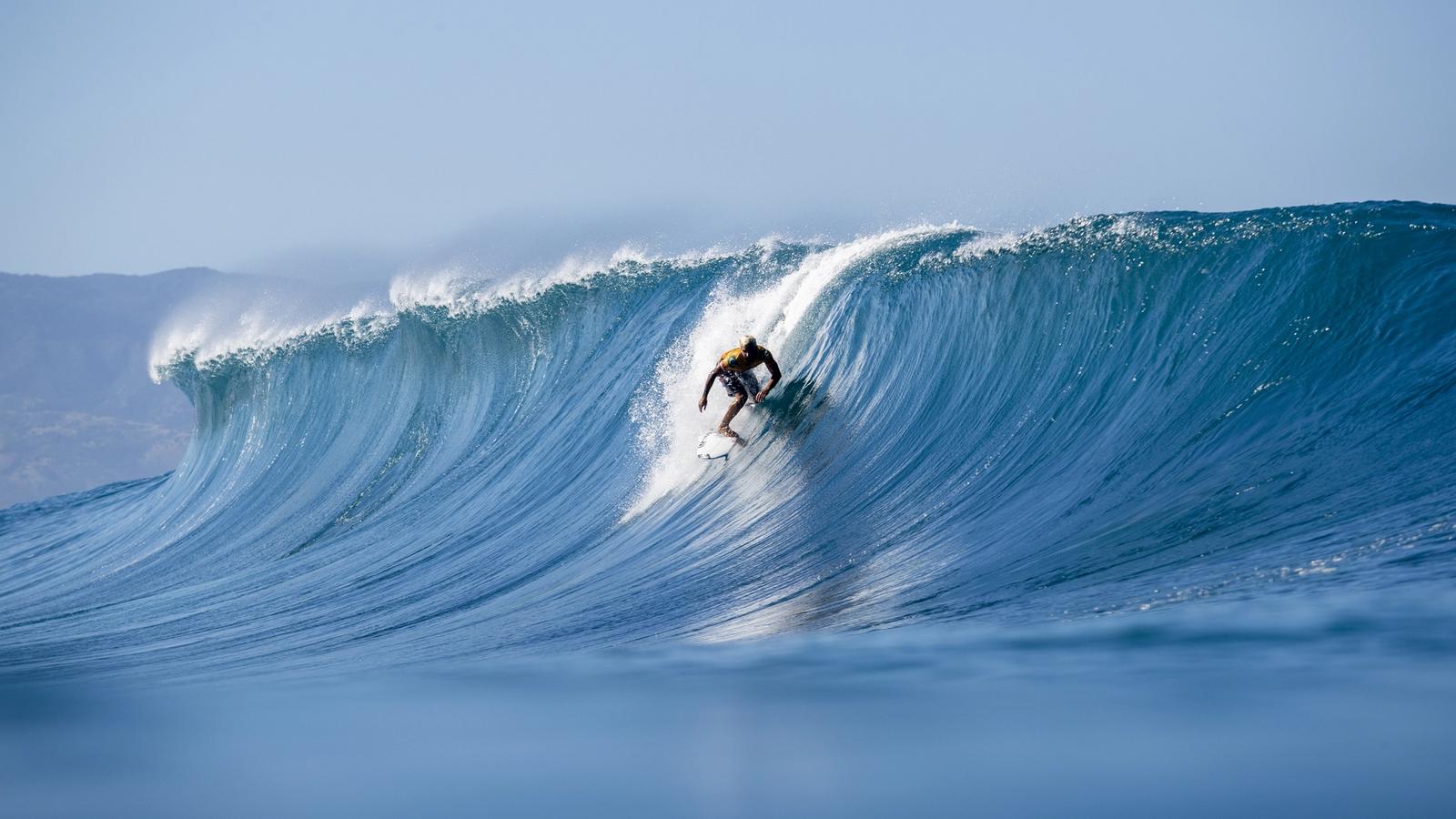
When we started, professional surfing lived on the websites of the brands that paid for it. The World Surf League set out to pull that into one league presence, with live video, live scoring, results and an archive, across web, mobile and connected TV.
We built that platform with them for ten years. The hardest part was never the live event. It was everyone who missed it.
2013
Surfing had a global audience. Its sponsors had the websites.
The tour was a run of events, and each one lived on the website of the brand that paid for it. The Billabong Pro was on billabong.com, and so were its video, its results and the audience it drew. A fan followed the sport by following the sponsors.
That was not neglect. It was the shape of the business. A title sponsor bought an event and the digital footprint came with it. The quality of the experience would vary from event to event, year to year.
The organisation was the ASP when we started, and became the World Surf League during our time together. The ambition that came with the new name was a league in the way other sports have leagues: one presence, one season, one place where the whole sport was legible.
What a league can't promise
Every league sells a time first. Surfing sells a window.
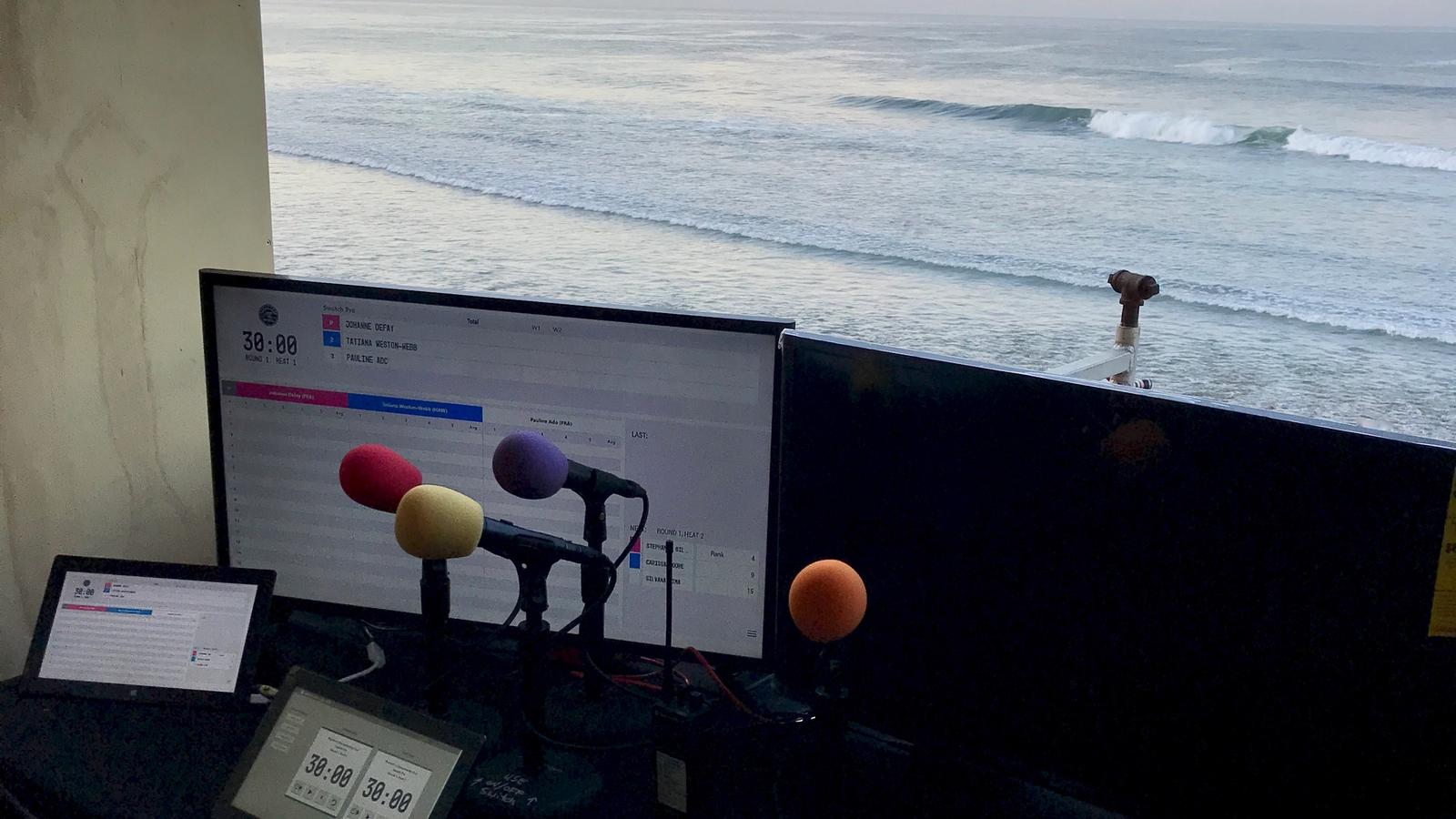
A tour stop holds a waiting period of around eleven days. Inside it, a combined men's and women's event needs about five days of surfing. The forecast narrows the guess and never settles it. When swell, wind and tide line up, the green light goes on and the event runs.
The audience is worldwide. So whenever that green light comes, it is the wrong hour for most of the people who care about it.
The conventional answer makes that worse. The standard build for a league is total live coverage: heat results, wave scores, standings, a notification the moment anything happens. Every one of those is a spoiler. Cover the sport completely and you spoil it completely, for everybody who was asleep while it ran.
The obvious build loses the fan it was built for.
The idea we brought
If you can't own the appointment, own the arrival.
We built the event around three ways in. Join the broadcast live. Start from the beginning and watch it as it happened. Or go spoiler-free, with the athletes, the wave scores and the heat results obscured until you reach them yourself.
Spoiler-free meant a platform willing to withhold its own data, on the website and in both apps, on the surfaces built to surface exactly that.
It cost something. Choosing a way in put friction at the entrance to every event, for every fan, including the ones already watching live. We took that trade knowingly. On a global tour with no fixed schedule, the fans arriving late were never a rounding error, and a product that treats them as one spoils its own broadcast for a large part of its audience.
What we built
One league presence, on every screen the sport reached.
01 · Platform
Four surfaces, one spine.
Website, iOS, Android and Apple TV, all drawing on one set of live and archival data.
02 · Live
The heat as it was judged.
Live video from the event site, running beside live scoring as the judges returned it.
03 · Arrival
Three ways into the same event.
Jump to live, start from the beginning, or take a cut-down replay of what mattered.
04 · Spoiler-free
A platform that withholds its own data.
Athletes, wave scores and heat results obscured across every surface until the fan chose to see them.
05 · Archive
The sport, kept queryable.
Years of heats, results and statistics held as live data rather than filed away as video.
The result
A sport that became legible in one place.
Platforms · web, iOS, Android, TV
4
One league presence across all of them.
Engagement · 2013 to 2023
10 yrs
Through the ASP, the rebrand, and the league that followed.
What it became
These are table stakes now. In 2015 they were arguments.
Jump to live, start from the beginning, watch it without the result reaching you first. A viewer meets all three in most sports products today and thinks nothing of them. None was obvious at the time, and each had to be argued for against a live-first reading of what a sports platform owed its audience.
The foundation we built with the WSL is part of what their later partnership with Apple stood on, including a technology integration with Apple Watch.
The WSL owned the commercial partnerships, the data capture, and the video capture and broadcast, and held final say on design and product throughout. For ten years they largely gave that call to us.
Contact